


Unlock Your Rights and Conquer Accident Wreck Stress

Experiencing a car accident can be one of the most stressful events in a person’s life. The chaos following a collision—dealing with insurance companies, medical bills, and potential legal issues—can leave anyone feeling overwhelmed. It’s essential to understand your rights in these situations. By knowing how to navigate the aftermath effectively, you can alleviate much of the stress associated with accidents. This guide will help you unlock your rights and conquer accident wreck stress.
Understanding Your Rights After an Accident
When you find yourself involved in a car accident, your first instinct might be to worry about the immediate aftermath. However, knowing your rights can significantly reduce stress. Here are some fundamental rights you should be aware of:
- The right to medical care: Regardless of fault, you have the right to seek medical attention for any injuries sustained.
- The right to compensation: If another party is at fault, you’re entitled to seek compensation for damages, including medical bills, lost wages, and pain and suffering.
- The right to legal representation: You have the right to hire an attorney to help navigate the complexities of your case.
Common Stressors Following an Accident
I’ve noticed that Accidents trigger a myriad of stressors. Identifying these can help you address them effectively:
- Physical Health: Injuries can lead to ongoing medical treatments, which can be both time-consuming and costly.
- Financial Burden: The costs associated with repairs, medical bills, and potential loss of income can pile up quickly.
- Legal Issues: Navigating insurance claims or potential lawsuits adds an additional layer of complexity.
Comparison: DIY Claims vs. Hiring a Lawyer
In my experience, When it comes to handling claims post-accident, you have two primary options: managing it yourself or hiring a lawyer. Here’s a breakdown of both approaches:
| Aspect | DIY Claims | Hiring a Lawyer |
|---|---|---|
| Cost | No upfront costs; however, you may settle for less than deserved. | Typically takes a percentage of the settlement but can secure higher compensation. |
| Time | Can be time-consuming if unfamiliar with the process. | A lawyer handles most tasks, saving you time and stress. |
| Expertise | Lack legal expertise may lead to mistakes. | Experienced in negotiating and understanding legal terms. |
| Outcome | Risk of settling too early or for too little. | Presents a higher chance of obtaining full compensation. |
Benefits of Hiring a Lawyer
While managing your claim might seem appealing, there are numerous benefits to hiring an attorney:
- Expert Negotiation Skills: Lawyers know how to negotiate with insurance companies effectively, ensuring you receive fair compensation.
- Understanding Legal Jargon: Legal documents can be complicated; an attorney simplifies this process for you.
- Peace of Mind: Knowing that a professional is handling your case allows you to focus on recovery rather than paperwork.
Practical Steps to Take After an Accident
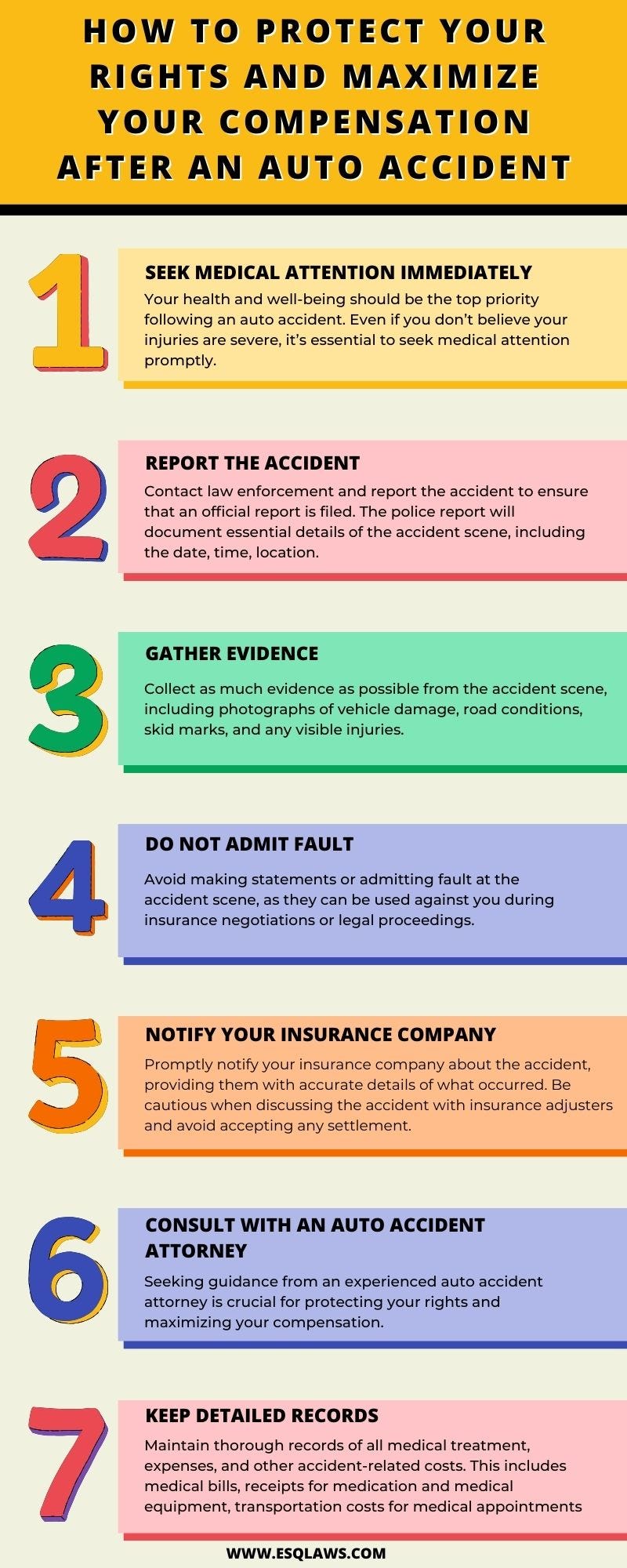
Surprisingly, The immediate actions you take following an accident can significantly influence the outcome of your claim. Here’s a step-by-step guide:
- Ensure Safety: First, check for injuries and ensure everyone’s safety. Call emergency services if needed.
- Document the Scene: Take photos of the accident scene, vehicle damage, and any visible injuries.
- Exchange Information: Collect contact and insurance information from all involved parties.
- Notify Your Insurance Company: Report the accident to your insurer as soon as possible.
- Consult a Lawyer: If injuries are serious or there’s significant damage, consult an attorney to understand your rights and options.
Clearly, Coping Strategies for Stress Management
Dealing with the aftermath of an accident can be incredibly stressful. Here are some strategies to help manage this stress effectively:
- Talk About It:Naturally, Sharing your experience with friends or family can provide emotional relief.
- Practice Relaxation Techniques: Engage in activities like yoga, meditation, or deep-breathing exercises to help reduce anxiety.
- Create a Support Network: Surround yourself with supportive individuals who can help you navigate this challenging time.
Obviously, Your Rights Matter: Empowering Yourself Post-Accident
Nevertheless, You know what? Understanding your rights and knowing how to handle the stress associated with an accident is crucial. Remember, you have options. Whether it’s hiring a lawyer or managing your claim yourself, being informed empowers you. Never hesitate to seek help when needed—your health and well-being come first.
Conclusion: Unlock Your Rights and Conquer Accident Wreck Stress
Navigating the aftermath of an accident can feel like climbing a mountain, but by unlocking your rights and understanding your options, you can conquer the stress that comes with it. Stay informed about your rights, consider professional guidance when necessary, and take proactive steps in managing both your claim and your mental well-being. Remember that every situation is unique; what matters most is finding the path that works for you. Don’t let stress dictate your recovery—take charge of your situation today!
Additionally, If you or someone you know has been involved in an accident, don’t hesitate!Obviously, Reach out to a qualified attorney today to discuss your options and ensure your rights are protected.
FAQs
What should I do immediately after an accident?
Also, Your priority should be safety—check for injuries and call emergency services if necessary. Then document the scene and exchange information with others involved.
How long do I have to file a claim?
The timeframe varies by state; typically, it ranges from one to three years after the accident date. Check local laws for specific deadlines.
If I was partially at fault, can I still get compensation?
Naturally, Yes, many states follow comparative negligence laws, which allow you to recover damages even if you share some fault in the accident.
What types of damages can I claim?
You may claim medical expenses, lost wages, property damage, pain and suffering, and emotional distress among other damages related to the accident.


