


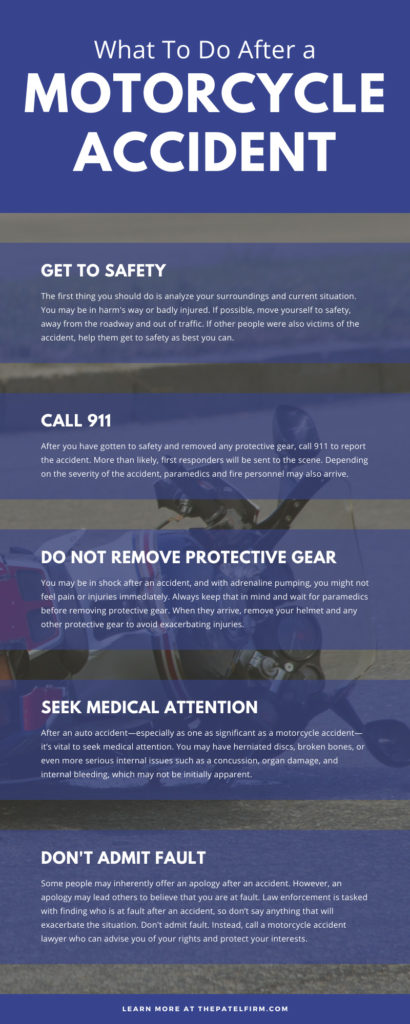
Introduction
Experiencing a motorcycle accident can be a life-altering event, leaving you not only with physical injuries but also emotional scars. If you or someone you know has faced such an unfortunate incident, it’s crucial to understand that recovery is possible. In this article, we’ll explore how to Surprisingly, thrive after a motorcycle accident with expert help today. By leveraging professional guidance, you can navigate the road to recovery more effectively. Whether you’re dealing with physical rehabilitation, emotional support, or legal matters, this comprehensive guide will help you take the necessary steps toward healing.
1. Understanding the Immediate Aftermath
Assessing Your Injuries
From my perspective, Immediately after a motorcycle accident, assessing your injuries is critical. Some injuries may not be apparent at first, so it’s essential to seek medical attention. Common injuries include:
- Surprisingly, Concussions and traumatic brain injuries
- Fractures and broken bones
- Road rash and skin abrasions
- Internal injuries
Don’t underestimate the importance of a thorough medical examination. Getting checked out by a healthcare professional is vital for both your health and any potential claims you might pursue later.
Emotional and Psychological Impact
Many people experience emotional turmoil following an accident. It’s normal to feel anxious or depressed. You might even find yourself facing post-traumatic stress disorder (PTSD). Seeking help from mental health professionals can be incredibly beneficial. Support groups or counseling can provide a safe space to express your feelings and begin the healing process.
2. Engaging Medical Experts
Finding the Right Healthcare Providers
After ensuring your immediate health needs are met, engaging with the right healthcare providers is crucial. Consider the following types of experts:
- Orthopedic Surgeons: Essential for managing fractures and joint issues.
- Physical Therapists: Key in helping regain strength and mobility.
- Psychologists or Counselors: Important for addressing emotional trauma.
Let me tell you something: Your recovery team should work collaboratively to create a tailored plan that addresses both physical and emotional aspects of healing.
The Role of Rehabilitation
Likewise, Rehabilitation plays a crucial role in recovery. A well-structured rehabilitation program helps restore your physical capabilities while also aiding in mental recovery. Here’s what you might expect during rehabilitation:
- Regular Assessments: Frequent evaluations to track your progress.
- Tailored Exercises: Customized exercise plans that focus on your specific injuries.
- Pain Management Techniques: Strategies to manage pain effectively during recovery.
3. Legal Considerations After an Accident
Consulting a Personal Injury Attorney
If your motorcycle accident involved another party, consulting a personal injury attorney is advisable. They can help navigate the complexities of insurance claims and legal actions. Here’s what you should consider:
- Documentation: Gather all relevant documents, including medical records and police reports.
- Understanding Your Rights: Know what compensation you may be entitled to.
- Negotiation Skills: Attorneys are skilled negotiators who can advocate on your behalf.
Insurance Claims
Here’s the thing: Filing an insurance claim can be daunting. Here are some tips to streamline the process:
- Contact Your Insurance Provider: Notify them about the accident as soon as possible.
- Document Everything: Keep detailed records of all communications and expenses related to the accident.
- Follow Up: Don’t hesitate to follow up on your claim status regularly.
4. Physical Recovery Strategies
Nutritional Support for Healing
Likewise, Your body requires proper nutrition to heal effectively. Focus on a balanced diet rich in:
- Proteins: Essential for muscle repair.
- Vitamins: Especially vitamin C and D, to boost immune function.
- Hydration: Staying hydrated aids in overall recovery.
Avoiding Complications
During recovery, it’s vital to avoid complications that could prolong healing. Here are some tips:
- Follow Medical Advice: Stick to your healthcare provider’s recommendations strictly.
- Clearly, Avoid Alcohol and Tobacco: These can hinder recovery and lead to complications.
- Rest Appropriately: Ensure you’re getting enough sleep and not overexerting yourself.
5. Emotional Healing and Support Systems
The Importance of Community Support
The road to emotional healing can be long, but having a support system makes a significant difference. Surround yourself with friends, family, or support groups who understand what you’re going through. Sharing experiences can help alleviate feelings of isolation.
Coping Mechanisms
Coping with the aftermath of an accident involves finding healthy ways to process your emotions. Here are some strategies that many find helpful:
- Meditation and Mindfulness: Practices that promote relaxation and reduce anxiety.
- Journaling:Interestingly, Writing down your thoughts can provide clarity and help you process feelings.
- Physical Activity: Engaging in gentle exercises can boost endorphins and improve mood.
6. Planning for the Future
Setting Goals for Recovery
In addition, As you progress through recovery, it’s essential to set realistic goals. Whether they’re related to physical capabilities or emotional well-being, having targets can motivate you during tough times. Start small—achieving minor goals can lead to significant improvements over time.
Returning to Riding
Surprisingly, If you’re considering returning to riding after recovery, take your time making this decision. It’s crucial to feel physically and emotionally ready before getting back on a motorcycle. Consider taking a safety course to refresh your skills before hitting the road again.
Conclusion: Your Path Forward
The journey after a motorcycle accident is undoubtedly challenging, but it’s also a time for growth and resilience. By understanding how to thrive after a motorcycle accident with expert help today, you’re taking proactive steps toward recovery—physically, emotionally, and legally. Remember, seeking support from professionals and loved ones can make all the difference in your healing process. Be patient with yourself, celebrate small victories along the way, and look forward to brighter days ahead!
If You Need Help, Reach Out Today!
Your health and well-being are paramount. If you or someone you know needs assistance navigating the aftermath of a motorcycle accident, don’t hesitate to reach out for expert help today!
Frequently Asked Questions (FAQs)
What should I do immediately after a motorcycle accident?
Your first step should be to seek medical assistance. Document everything about the incident as thoroughly as possible.
Surprisingly, How long does recovery take after a motorcycle accident?
The duration of recovery varies significantly based on the severity of injuries. Some may heal in weeks while others could take months or even years.
Can I return to riding after an accident?
You can return once you feel physically and mentally ready. Consider taking refresher courses for safety before riding again.
How can I find emotional support?
You can find emotional support through friends, family, or by joining support groups specifically for motorcycle accident survivors.

