


Navigating the Longshore and Harbor Workers Compensation Act: A Comprehensive Guide
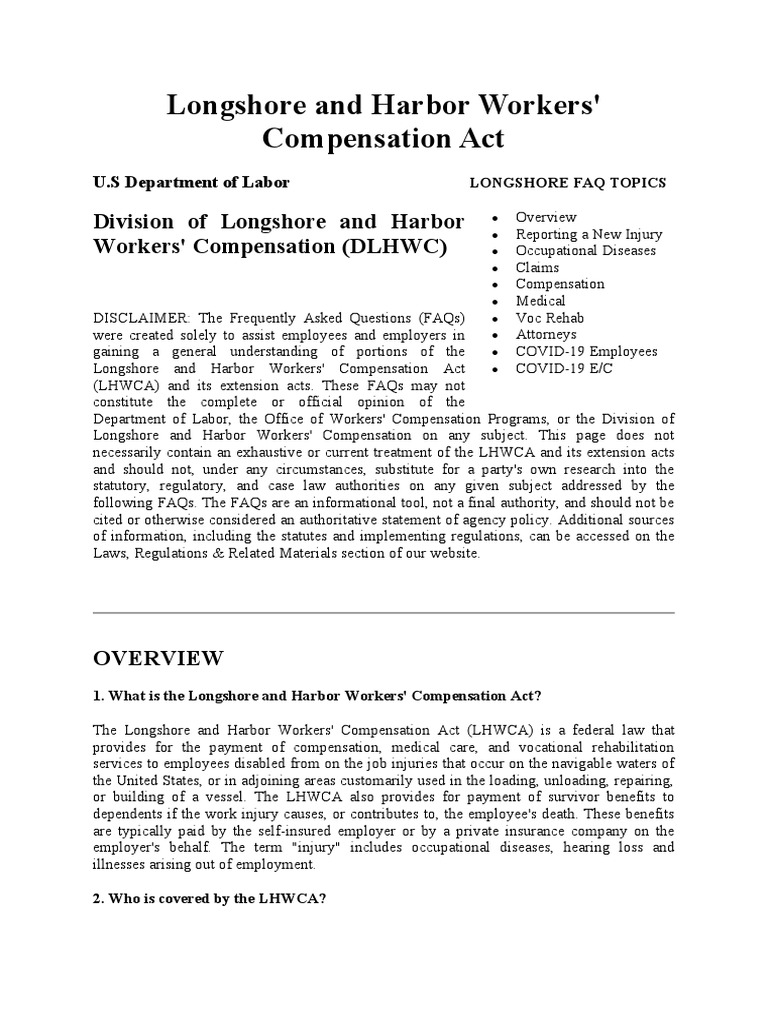
The Longshore and Harbor Workers Compensation Act (LHWCA) is crucial for maritime workers, offering benefits for injuries sustained on the job. If you’re a longshore worker or involved in any maritime activities, understanding this act can be the key to securing your rights and compensation. Many workers often feel overwhelmed by the complexities of maritime law, but with the right guidance, you can navigate through it effectively. Whether you’re facing a marine injury or dealing with a maritime accident, knowing how to approach your case can make a significant difference.
Obviously, Unlock Your Rights: How a Longshore and Harbor Workers Compensation Attorney Can Maximize Your Claim

Naturally, Hiring a qualified longshore and harbor workers compensation attorney can greatly enhance your chances of receiving fair compensation. These professionals specialize in navigating the intricacies of maritime law and can help you understand your rights under the LHWCA. Here’s how an attorney can assist:
- Expertise in Maritime Law: Attorneys specializing in nautical law understand the nuances of maritime regulations and how they apply to your case.
- Claim Preparation: They will guide you in gathering necessary documents and evidence to support your claim.
- Negotiation Skills: Experienced attorneys can negotiate with insurance companies on your behalf, ensuring you receive the compensation you deserve.
- Litigation Support: If your case goes to court, having a seasoned maritime accident lawyer can be invaluable in presenting your case effectively.
Maximize Your Maritime Claim: Essential Steps After a Longshore Injury
Let me tell you something: In the unfortunate event of a longshore injury, there are several steps you should take immediately to ensure your rights are protected:
- Seek Medical Attention: Your health should be your top priority. Get medical help as soon as possible.
- Report the Incident: Inform your employer about the injury. Document details of the incident, including time, place, and circumstances.
- Document Everything: Keep records of medical treatments, communications with your employer, and any witnesses to the accident.
- Consult with a Longshore and Harbor Workers Compensation Act Lawyer: Engage a lawyer who specializes in maritime injury claims to evaluate your situation.
- File Your Claim: Ensure that you file your claim within the stipulated time frame to avoid losing your rights to benefits.
Navigating the Jones Act: 7 Critical Questions for Your Maritime Lawyer Search
Based on my research, If you find yourself needing legal representation under the Jones Act, consider these essential questions before hiring a lawyer:
- What is your experience with Jones Act cases?
- Obviously, Can you provide references from past clients?
- What is your fee structure?
- How will you communicate with me throughout the process?
- What is your strategy for my case?
- Have you handled cases similar to mine?
- What are the potential outcomes I should expect?
Navigating Maritime Law: 5 Key Steps to Take After a Marine Injury
However, Interestingly, If you’ve suffered a marine injury, taking the right steps can significantly impact your recovery and compensation.Clearly, Here’s what you should do:
- Document Your Injury: Take photos and notes about what happened and how it affected you.
- Gather Witness Information: Obtain contact details from anyone who witnessed the incident.
- Keep a Record of Expenses: Track all medical bills and related costs stemming from your injury.
- Contact a Maritime Accident Law Firm: Seek legal help promptly to understand your rights and obligations.
- Stay Informed: Keep yourself updated on maritime laws that may affect your case.
Accident Lawyer Longshore FAQ
What is the Longshore and Harbor Workers Compensation Act?
In conclusion, The LHWCA provides compensation benefits to workers injured on navigable waters or in adjoining areas, such as docks or terminals. This law covers longshoremen and other maritime workers, ensuring they receive medical treatment and financial support during recovery.
How do I know if I’m eligible for LHWCA benefits?
In addition, From what I’ve seen, If you work in an occupation covered by the LHWCA and sustain an injury while working on navigable waters or adjoining areas, you may be eligible for benefits. Consult a longshore and harbor workers compensation attorney for specific advice based on your situation.
What types of benefits are available under the LHWCA?
The LHWCA offers several types of benefits, including medical coverage, temporary total disability benefits, permanent partial disability benefits, and vocational rehabilitation services.
Interestingly, Accident Lawyer Longshore How-to Guide
- Surprisingly, Understand Your Rights: Familiarize yourself with the LHWCA and what benefits you may be entitled to.
- Gather Evidence: Collect all relevant documentation related to your injury, including medical records and witness statements.
- Select an Experienced Lawyer: Look for a longshore and harbor workers compensation attorney with a successful track record in similar cases.
- File Your Claim Promptly: Ensure that you submit your claim within the required time limits to avoid complications.
- Follow Up Regularly: Stay in touch with your attorney to monitor progress on your claim and address any issues that arise.
Conclusion
Navigating the complexities of maritime law can be daunting, especially when dealing with injuries under the Longshore and Harbor Workers Compensation Act.Clearly, Engaging a specialized attorney can help you understand your rights, maximize your compensation, and ensure that you receive the support you need during recovery. Remember to take immediate action after an injury by seeking medical attention, documenting everything, and contacting a legal professional who can guide you through this challenging process. If you’re unsure about where to start or have questions regarding your case, don’t hesitate to reach out for expert legal advice today!
If you’ve been injured at sea or on the docks, contact our experienced maritime accident law firm today! Let us help you navigate through the complexities of maritime law and secure the compensation you deserve.

