


Master Your Workers Comp Claim with Top Injury Law Firm Advice
Filing a workers’ compensation claim can feel like navigating a complex maze. Many people find themselves overwhelmed, unsure of the steps to take or the rights they have. Whether you’ve just sustained an injury at work or are looking for ways to enhance your existing claim, understanding the ins and outs of the process is crucial. In this article, we’ll share expert advice from top injury law firms to help you master your workers’ comp claim and ensure you receive the benefits you deserve.
Understanding Workers’ Compensation
Workers’ compensation is a system designed to provide financial support to employees who are injured on the job. This insurance can cover medical expenses, lost wages, and rehabilitation costs. While the specifics of workers’ comp laws can vary by state, the core purpose remains the same: to protect employees and provide them with a safety net during challenging times.
Why You Need Legal Assistance
I’ve found that Surprisingly, Many individuals underestimate the value of hiring a legal expert when navigating their workers’ compensation claim. Here are some compelling reasons why you should consider working with a top injury law firm:
- Expertise in Complex Laws:Naturally, Workers’ comp laws can be intricate, with specific rules and regulations that vary by state.Surprisingly, Lawyers specializing in this area understand these complexities and can help you avoid pitfalls.
- Maximizing Your Benefits: A knowledgeable attorney can identify all potential benefits you’re entitled to, ensuring you don’t leave money on the table.
- Handling Paperwork: The amount of paperwork involved can be daunting. A lawyer will handle all documentation, ensuring everything is filed correctly and on time.
- Negotiation Skills:Surprisingly, Many claims are denied or undervalued initially. An experienced attorney knows how to negotiate effectively with insurance companies to secure fair compensation.
The Claims Process: Step by Step
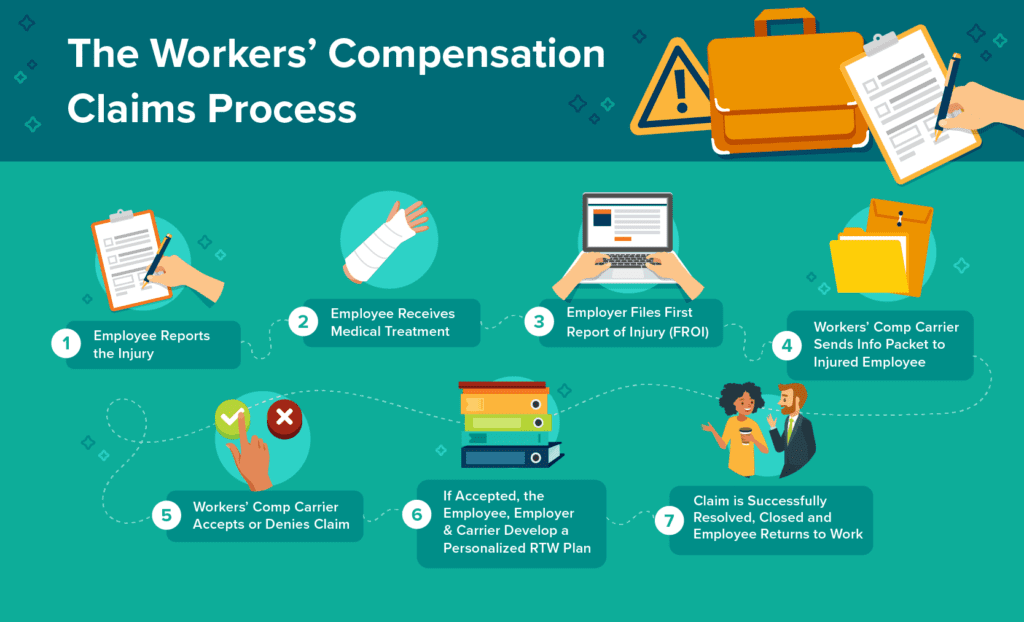
Let me tell you something: Let’s break down the claims process into manageable steps. Understanding each phase will empower you to take control of your situation.
Step 1: Report Your Injury
The first step is to report your injury to your employer as soon as possible. Most states require this notification within a specific timeframe—often within 30 days.Obviously, Delaying this report can jeopardize your claim.
Step 2: Seek Medical Attention
Moreover, Your health is paramount. Seek medical treatment immediately. Make sure to keep records of all medical visits, diagnoses, and treatments, as these documents will be vital for your claim.
Step 3: File Your Claim
Once you’ve reported your injury and received medical attention, it’s time to file your workers’ compensation claim.Interestingly, This typically involves filling out specific forms provided by your employer or their insurance company. A lawyer can assist in ensuring that all necessary information is included.
Step 4: Await Approval or Denial
Your claim will be reviewed by the insurance company. They may request additional information or documentation during this period. It’s essential to respond promptly to any requests to avoid delays in processing your claim.
Step 5: Appeal if Necessary
Obviously, If your claim is denied, don’t panic. You have the right to appeal the decision. This process can be complicated, but having a skilled attorney on your side can significantly improve your chances of a successful outcome.
Interestingly, Common Mistakes to Avoid
Likewise, Even minor missteps can lead to significant complications in your claim process. Here are some common mistakes to avoid:
- Surprisingly, Not Reporting Timely: Delays in reporting injuries can lead to denial of your claim.
- Surprisingly, Ignoring Medical Advice:Obviously, Failing to follow through with prescribed treatment may weaken your case.
- Not Keeping Accurate Records: Documentation is key—keep detailed records of everything related to your injury and claim.
- Discussing Your Case Publicly: Be cautious about what you share on social media; anything you say can be used against you.
The Importance of Medical Documentation
Additionally, Naturally, Your medical records play a pivotal role in supporting your workers’ comp claim. They provide evidence of the extent of your injuries and the treatments you’ve undergone. Here’s how to ensure your documentation is robust:
- Keep Everything: Save all medical bills, receipts, and reports related to your injury.
- Request Copies: Always ask for copies of any medical evaluations or treatment plans from healthcare providers.
- Document Your Recovery:Obviously, Note any changes in your condition or complications that arise during recovery.
When to Consider Legal Action
If you find yourself facing challenges with your workers’ compensation claim—such as delays, denials, or low settlement offers—it might be time to consult with a legal professional. They can provide guidance on whether pursuing further legal action is appropriate for your situation.
Factors Influencing Legal Action
- Your Rights Are Violated: If you believe your rights are being infringed upon or that you’re being treated unfairly.
- Severe Injuries: For serious injuries that could impact your long-term health and financial stability, seeking legal representation may be crucial.
- Pursuing Third-Party Claims: If another party contributed to your injury (for example, a contractor), you may have grounds for a third-party lawsuit in addition to your workers’ comp claim.
Conclusion: Take Control of Your Workers Comp Claim
Navigating a workers’ compensation claim doesn’t have to be daunting. By understanding the process, avoiding common pitfalls, and seeking professional legal advice when needed, you can master your claim and secure the benefits you deserve. Remember, every case is unique; what works for one person may not work for another. So tailor your approach accordingly and don’t hesitate to reach out for help along the way.
If you’re ready to take action on your workers’ compensation claim or need assistance navigating the process, contact a top injury law firm today!Obviously, Don’t leave your future to chance—get the support you need to ensure a successful outcome.
Frequently Asked Questions
What should I do immediately after an injury at work?
Report the injury to your employer right away and seek medical attention.
Can I get workers’ compensation for an injury that occurred off-site?
In some cases, yes. If the injury occurred while performing work duties off-site, you may still be eligible for benefits.
How long do I have to file a workers’ compensation claim?
This varies by state but typically ranges from 30 days to 1 year after the injury occurs. Check local laws for specifics.
If my claim is denied, what are my options?
Clearly, You can appeal the decision. Having an attorney helps navigate this process effectively.

