


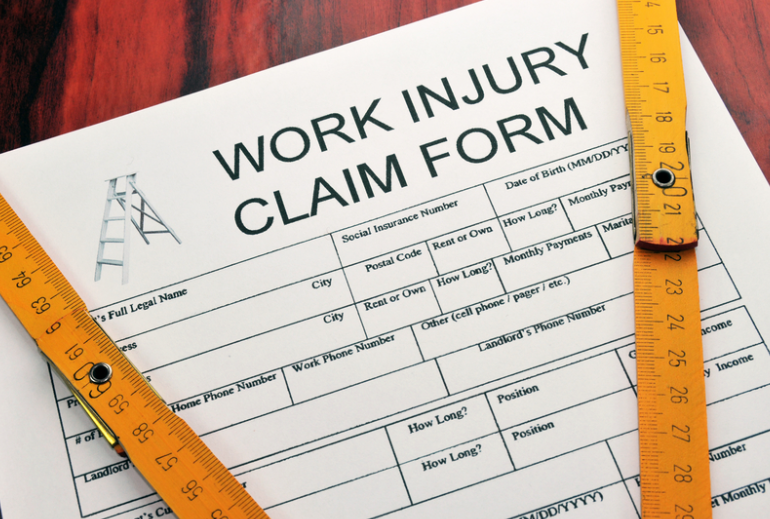
Master Your Work-Related Injury Claims Today
Experiencing a work-related injury can be a daunting ordeal. Not only does it affect your physical health, but it can also lead to financial stress and emotional turmoil.Clearly, Understanding how to navigate the claims process is crucial for securing the compensation you deserve. In this guide, we’ll explore essential steps to help you master your work-related injury claims today, ensuring you’re well-prepared to handle the complexities of the system.
1. Understand Your Rights
Before diving into the claims process, it’s important to know your rights as an employee. The Occupational Safety and Health Administration (OSHA) mandates that employers provide a safe working environment. If you’re injured on the job, you have the right to:
- File a workers’ compensation claim.
- Receive medical treatment for your injuries.
- Get paid for lost wages during your recovery.
- Interestingly, Challenge any unfair treatment from your employer regarding your claim.
2. Report Your Injury Promptly
Timeliness is key when it comes to work-related injury claims.Clearly, Make sure to report your injury to your supervisor or human resources department as soon as possible—ideally within 24 hours. Delaying this step could jeopardize your claim. Document the incident thoroughly, including details such as:
- The date and time of the accident.
- The location where it occurred.
- Names of witnesses, if any.
- A description of how the injury happened.
3. Seek Medical Attention
To be honest, Your health should always be your top priority. Seek medical attention immediately after an injury, even if it seems minor. A healthcare professional can assess your condition and provide necessary treatment. Ensure that all medical reports and bills are documented; these will be critical when filing your claim.
4. Keep Detailed Records
On the other hand, Maintaining detailed records can significantly strengthen your claim. This includes:
- Interestingly, Medical records and treatment plans.
- Correspondence with your employer regarding the injury.
- Any notes or documents related to your recovery process.
- Payslips or any documentation showing lost wages due to the injury.
5. Know the Workers’ Compensation Process
In my experience, The workers’ compensation process can vary by state, but typically involves the following steps:
- File a Claim: Submit a workers’ compensation claim form to your employer or their insurance provider.
- Claim Review: The insurance company will review your claim and may request additional information or documentation.
- Claim Approval or Denial: You will receive a decision regarding your claim. If approved, you’ll begin receiving benefits; if denied, you can appeal the decision.
- Receive Benefits:Obviously, If approved, you’ll receive compensation for medical expenses and lost wages during your recovery period.
6. Consider Legal Representation
Additionally, If you encounter difficulties during the claims process, it might be beneficial to consult with a workers’ compensation attorney. An experienced lawyer can help ensure that you receive fair compensation and assist in navigating any disputes with your employer or their insurance company.
7. Be Prepared for an Appeal
If your claim is denied, don’t lose hope. You have the right to appeal the decision. Gather all necessary documentation and evidence to support your case, including witness statements and additional medical reports. An attorney can guide you through this process, increasing your chances of a successful appeal.
8.Naturally, Stay Informed About Your State’s Laws
On the other hand, Workers’ compensation laws can differ significantly from state to state. It’s essential to familiarize yourself with the specific laws governing your location. This knowledge can empower you to make informed decisions about your claim and understand what benefits you’re entitled to.
9. Focus on Your Recovery
Your primary focus should be on healing and returning to work when you’re able.Surprisingly, Stressing over paperwork or legal battles can impede recovery. Take advantage of any support systems available, such as counseling or physical therapy, which may also be covered under workers’ compensation.
10. Know When to Settle
As your recovery progresses, consider whether a settlement is in your best interest. Settling might offer immediate financial relief but could limit future claims related to ongoing issues from the injury. Discuss options with your attorney to determine the best course of action for your situation.
Obviously, Conclusion: Take Charge of Your Claim
Navigating work-related injury claims can feel overwhelming, but with the right information and resources at hand, you can take charge of the process effectively. Remember to report your injury promptly, keep meticulous records, and seek legal counsel if necessary. Your health and well-being are paramount—don’t hesitate to advocate for yourself in securing fair compensation for your injuries.
Surprisingly, If you or someone you know is struggling with a work-related injury claim, consider reaching out for professional legal assistance today!
Frequently Asked Questions (FAQ)
What should I do immediately after an injury at work?
Immediately report the injury to a supervisor, seek medical attention, and document everything related to the incident.
How long do I have to file a workers’ compensation claim?
I’ve come to realize that This varies by state; however, it’s generally advisable to file within 30 days of the incident to ensure eligibility for benefits.
Can I return to work while receiving benefits?
Clearly, Yes, but it may affect the amount of benefits you receive depending on the nature of your job and recovery progress.

