


Introduction
Mastering your motor vehicle accident claims can feel overwhelming, especially in the aftermath of an accident. You may be grappling with injuries, emotional distress, and a myriad of paperwork. However, knowing how to navigate the claims process can significantly ease your burden. This article aims to provide you with a comprehensive guide on how to master your motor vehicle accident claims effortlessly. We’ll explore essential steps, common pitfalls, and practical tips that can help you secure the compensation you deserve.
Understanding Motor Vehicle Accident Claims
Motor vehicle accident claims typically arise from incidents involving cars, trucks, motorcycles, or any other vehicles. These claims often include compensation for medical expenses, lost wages, property damage, and pain and suffering. To master your motor vehicle accident claims, it’s crucial to understand the types of claims you may file:
- Personal Injury Claims:Surprisingly, These are filed when you suffer injuries due to another driver’s negligence.
- Property Damage Claims: These claims cover the costs to repair or replace your vehicle.
- Uninsured/Underinsured Motorist Claims: If the at-fault driver lacks insurance or sufficient coverage, you may need to pursue this type of claim.
Steps to Master Your Motor Vehicle Accident Claims
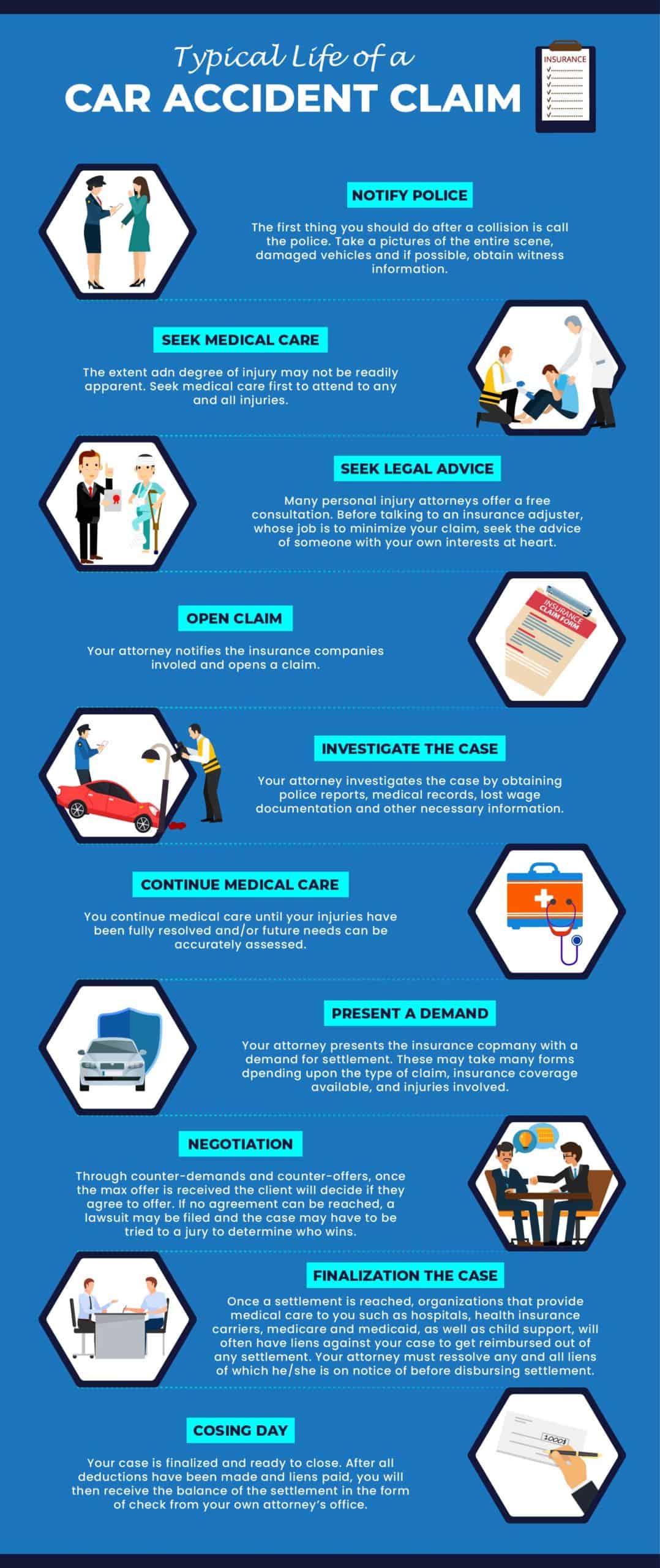
Moreover, To effectively handle your claims, follow these steps:
- Gather Evidence: After an accident, collect all relevant information. This includes photos of the scene, witness contact details, and police reports.
- Document Your Injuries: Keep a record of your medical treatment and any related expenses. This documentation will be essential in supporting your claim.
- Notify Your Insurance Company: Report the accident to your insurer as soon as possible. Provide them with all necessary information but avoid admitting fault.
- Consult with a Personal Injury Attorney: A knowledgeable attorney can help you navigate the complexities of your claim and ensure you receive fair compensation.
- Negotiate Settlements: Be prepared to negotiate with insurance adjusters. They often start with low offers, so don’t accept the first one without careful consideration.
Common Pitfalls to Avoid
I’ve personally found that Even with a solid understanding of the claims process, there are common pitfalls that could hinder your case:
- Obviously, Delaying Medical Treatment:Naturally, Failing to seek medical attention promptly can weaken your claim. Always prioritize your health and document your injuries.
- Not Keeping Records: Without proper documentation of expenses and communications, it can be challenging to support your claim effectively.
- Admitting Fault:Naturally, Avoid discussing fault at the scene or in any documentation until all facts are known. Admitting fault can jeopardize your claim.
- Ignoring Policy Deadlines: Each insurance policy has its own deadlines for reporting accidents and filing claims.Naturally, Missing these deadlines can lead to claim denial.
The Role of an Attorney in Your Claim
Also, An experienced attorney can be a game-changer in mastering your motor vehicle accident claims.Naturally, Here’s how they can help:
- Expertise in Negotiation: Attorneys are skilled negotiators who can advocate on your behalf to ensure you receive a fair settlement.
- Knowledge of Laws and Regulations: They understand state-specific laws that may affect your claim and can help you navigate them effectively.
- Handling Paperwork: An attorney can manage the extensive paperwork involved in filing a claim, allowing you to focus on recovery.
FAQs About Motor Vehicle Accident Claims
What should I do immediately after an accident?
From what I’ve seen, First and foremost, ensure everyone’s safety and call for medical assistance if needed.Clearly, Gather evidence and document everything before leaving the scene.
How long do I have to file a claim?
Not only that, This varies by state, but generally, you have a few years from the date of the accident to file a personal injury claim. Check your state’s statute of limitations for specifics.
Can I still file a claim if I was partially at fault?
Yes! Many states allow you to file a claim even if you were partially at fault. However, your compensation may be reduced by your percentage of fault.
Conclusion
Mastering your motor vehicle accident claims doesn’t have to be a daunting task. By understanding the process and avoiding common pitfalls, you can significantly enhance your chances of receiving fair compensation. Remember to gather all relevant information, keep thorough documentation, and consider consulting an attorney if needed. Taking these proactive steps will empower you in navigating this challenging experience. Don’t hesitate—start preparing today so you can focus on what truly matters: healing and moving forward.
If you’re ready to take charge of your motor vehicle accident claim or if you have questions about the process, contact us today for expert guidance!

