


Essential Steps After an Offshore Accident: Insights from Top Maritime Attorneys
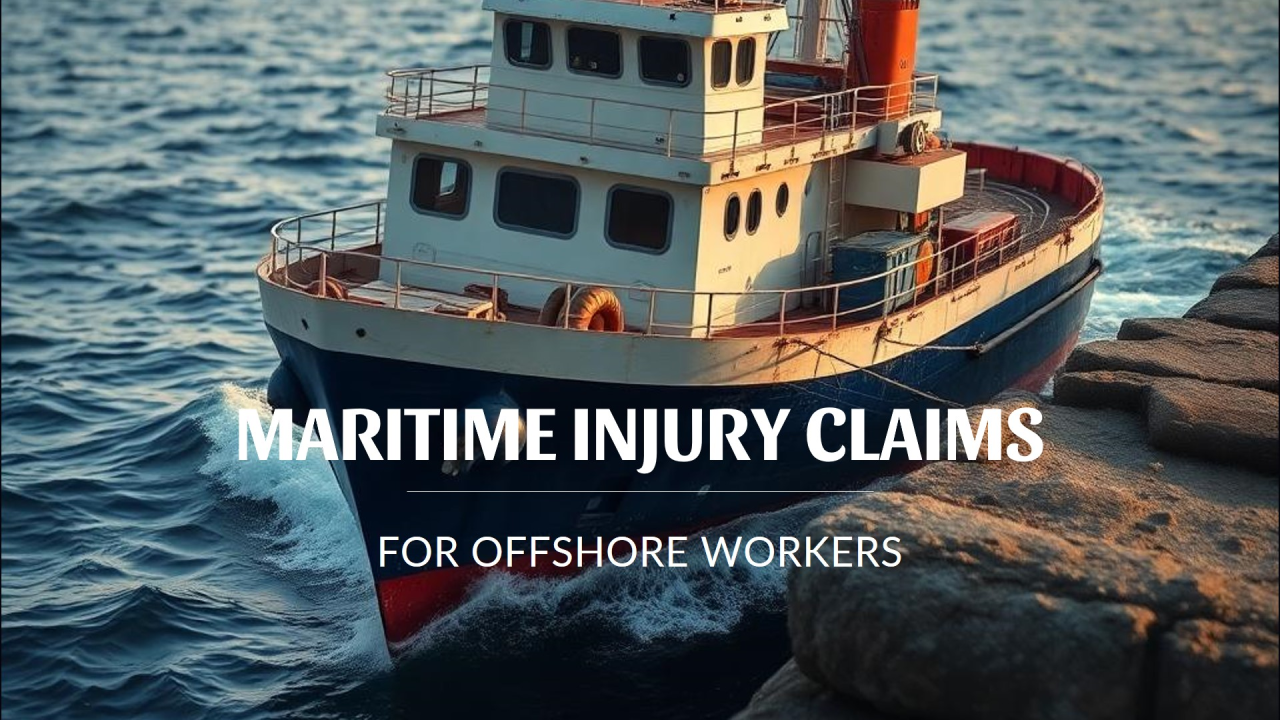
Experiencing an offshore accident can be traumatic and disorienting. Whether you’re a crew member on a commercial vessel or a worker on an oil rig, knowing how to respond in the aftermath of such incidents is crucial for your safety and legal rights. Top maritime attorneys emphasize the importance of taking specific steps immediately following an offshore accident. By understanding these essential actions, you can protect yourself and ensure you receive the compensation you deserve.
Understanding the Immediate Aftermath
Consequently, The moments following an offshore accident are often chaotic. Emotions run high, and the instinct to panic can overwhelm even the most seasoned workers. However, remaining calm and focused is vital. Here’s what you should do:
- Ensure Your Safety: Before anything else, assess your surroundings. If you’re in a position to move to safety, do so cautiously. If it’s unsafe, remain where you’re and call for help.
- Obviously, Seek Medical Attention: Even if injuries seem minor, seek medical evaluation. Many injuries can manifest symptoms later, and having documentation from a medical professional is crucial for any potential claims.
- Report the Incident: Notify your supervisor or the designated safety officer about the accident as soon as possible. A formal report may need to be filed.
- Document Everything: Take notes about what happened. Include dates, times, locations, and names of witnesses. Photographs of the scene can also be helpful later.
Legal Considerations Following an Offshore Accident
Consequently, After ensuring your immediate safety, it’s essential to consider the legal implications of the accident. Here are some steps to take regarding legal matters:
Consult a Maritime Attorney
Engaging with a qualified maritime attorney can significantly impact your situation. They can help you navigate the complexities of maritime law and ensure that your rights are protected.Surprisingly, Here are some reasons why consulting an attorney is critical:
- Expertise in Maritime Law: Maritime law is unique and varies from general personal injury laws. An attorney specializing in this field understands the nuances that could affect your case.
- Negotiation Skills: Insurance companies may not always have your best interests at heart. A skilled attorney can negotiate on your behalf to secure fair compensation.
- Representation in Court: If necessary, having a lawyer represent you in court can make a significant difference in the outcome of your case.
Gather Evidence
The success of any legal claim relies heavily on evidence. Gather as much information as possible about the accident:
- Witness Statements: Collect contact information from any witnesses who can corroborate your account of the incident.
- Incident Reports: Request copies of any official reports filed regarding the accident.
- Medical Records: Keep all medical documentation related to your treatment following the accident.
Your Rights as an Offshore Worker
As a result, Offshore workers have specific rights under maritime law, which protect them in various situations, including injuries sustained during an accident. Some key points include:
- The Jones Act: This allows seamen to sue their employers for negligence if they’re injured while working on navigable waters.
- Maintenance and Cure: Employers are required to provide medical care (cure) and daily living expenses (maintenance) to injured workers until they reach maximum medical recovery.
- Clearly, Longshore and Harbor Workers’ Compensation Act (LHWCA): This federal law provides compensation for workers injured while performing maritime work, even if they aren’t classified as seamen.
Steps to Take for Filing a Claim
If you decide to file a claim after an offshore accident, follow these essential steps:
- Consult with Your Attorney: Discuss your case with your attorney to assess its viability and determine the best course of action.
- Gather Documentation: Compile all evidence and documentation related to your accident, including medical records and witness statements.
- File Your Claim Promptly: Be aware of deadlines for filing claims; delays can jeopardize your case.
- Prepare for Negotiations: Your attorney will likely enter negotiations with the insurance company or employer. Be prepared for back-and-forth discussions.
The Importance of Emotional Support
An offshore accident can leave lasting emotional scars. It’s vital to prioritize your mental health during this time. Consider speaking with a counselor or therapist who specializes in trauma recovery. Many workers overlook their emotional well-being, but addressing these feelings is just as important as physical recovery.
Preventing Future Accidents
While you can’t change what happened, you can contribute to preventing future accidents. Engage with safety programs offered by your employer and advocate for better safety practices on board. Reporting unsafe conditions or practices not only helps protect you but also your fellow workers.
Training and Safety Protocols
Participating in training sessions can equip you with knowledge about safety protocols that could prevent future accidents. Always stay updated on best practices and emergency procedures relevant to your specific role on board.
The Role of Safety Culture
A strong safety culture among crew members can significantly reduce accidents. Encourage open communication regarding safety issues and promote a team-oriented approach to maintaining a safe working environment.
Conclusion: Taking Action After an Offshore Accident
Frankly speaking, The days following an offshore accident are critical for both your physical recovery and legal rights. By taking essential steps—such as ensuring safety, seeking medical attention, consulting with maritime attorneys, and gathering evidence—you position yourself favorably for any claims that may arise.
Here’s the thing: If you or someone you know has been involved in an offshore accident, don’t hesitate to reach out for legal assistance. Understanding your rights can empower you during this challenging time. Remember, you’re not alone—help is available.
Need Legal Help?
I’ve noticed that If you’ve been injured in an offshore accident, contact our team of experienced maritime attorneys today for a free consultation!
Frequently Asked Questions
What should I do immediately after an offshore accident?
Your first priority should be ensuring your safety and seeking medical attention, even for minor injuries. Report the incident promptly and document everything.
How do I find a maritime attorney?
You can start by searching online for attorneys specializing in maritime law or asking for referrals from colleagues who have faced similar situations.
What rights do I have as an offshore worker?
You have rights under various maritime laws that protect you if injured while working at sea, including the right to seek compensation under the Jones Act or LHWCA.


