Introduction
Going through a divorce can be one of the most challenging experiences in life. The emotional turmoil, financial implications, and the uncertainty about the future can weigh heavily on anyone. When considering a divorce, two primary paths often emerge: contested and uncontested divorce. Understanding these options is crucial, as each has its unique characteristics and implications. This guide delves into the differences between contested and uncontested divorce and illustrates why having the right attorney can significantly influence your experience and outcome.
What is a Contested Divorce?
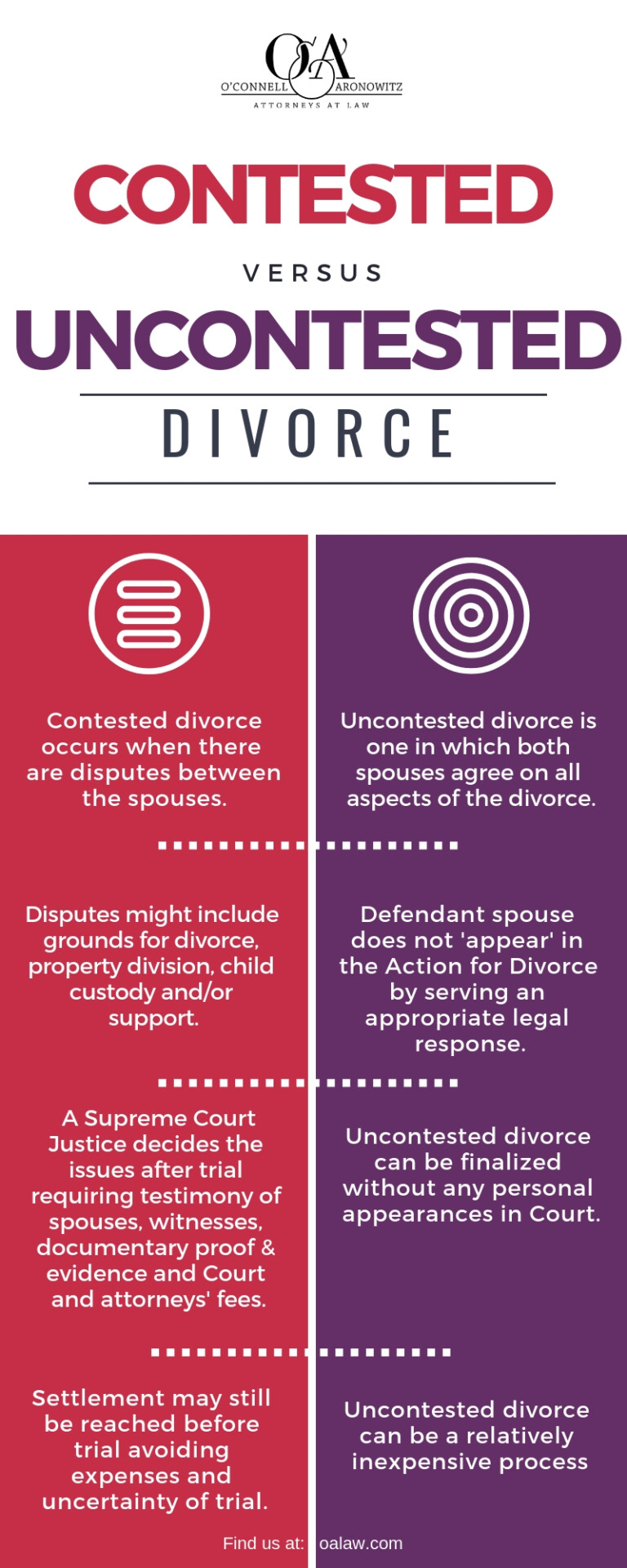
A contested divorce occurs when the parties involved can’t agree on one or more key issues regarding the dissolution of their marriage. These disputes can involve:
- Child custody arrangements
- Division of assets and debts
- Spousal support (alimony)
- Other related matters
You know what? In a contested divorce, both parties may need to present their case in court, leading to a potentially lengthy and costly process. This type of divorce often involves negotiations, mediation, and sometimes a trial.
What is an Uncontested Divorce?
Also, In contrast, an uncontested divorce occurs when both parties agree on all major issues before filing for divorce. This type of divorce is generally quicker and less expensive, allowing couples to bypass the court’s lengthy processes. Some common characteristics of uncontested divorces include:
- Interestingly, Mutual agreement on child custody and support
- Consensus on property division
- Minimal conflict between spouses
Couples who opt for an uncontested divorce typically file a joint petition with the court, streamlining the process significantly.
Interestingly, Key Differences Between Contested and Uncontested Divorce
| Aspect | Contested Divorce | Uncontested Divorce |
|---|---|---|
| Cost | Generally higher due to legal fees and court costs | Usually lower as it avoids lengthy court battles |
| Time | Takes longer due to negotiations and potential trials | Can be resolved quickly if both parties agree |
| Emotional Stress | Higher levels due to conflict and uncertainty | Lower levels as there’s mutual agreement |
| Court Involvement | Involves court hearings and potentially a trial | Minimal court involvement; often just a filing |
The Role of an Attorney in Divorce Proceedings
I’ve personally found that The attorney you choose can make a significant difference in your divorce experience, regardless of whether it’s contested or uncontested. Here’s how:
Navigating Legal Complexities
Divorce laws vary by state, and understanding the legal implications can be daunting. A knowledgeable attorney can help you navigate these complexities, ensuring that you understand your rights and obligations.
Mediation and Negotiation Skills
If you’re facing a contested divorce, having an attorney with strong negotiation skills can help facilitate discussions between you and your spouse. An experienced attorney can serve as a mediator, aiming to reach a settlement that benefits both parties.
Emotional Support
Consequently, A good attorney won’t only provide legal support but also emotional reassurance during this challenging time. They can help mitigate stress by providing clear guidance through every step of the process.
Document Preparation and Filing
The paperwork involved in divorce proceedings can be overwhelming. An attorney will ensure that all necessary documents are accurately prepared and filed correctly, reducing the risk of delays or complications.
Trial Representation
The truth is, If your divorce becomes contested and goes to trial, having an experienced attorney representing you is crucial. They will advocate for your interests and present your case effectively before the judge.
Choosing the Right Attorney
Finding an attorney who specializes in family law is essential. Look for someone with a strong track record in handling cases similar to yours. Personal referrals, online reviews, and initial consultations can help guide your choice.
When to Consider Mediation or Collaborative Divorce?
In contrast, If you anticipate a contested divorce but want to avoid lengthy litigation, mediation or collaborative divorce might be beneficial options. Here’s a brief overview:
Mediation
Mediation involves both parties working with a neutral third party (the mediator) to resolve disputes amicably. This can be particularly effective in contentious situations where communication has broken down.
Collaborative Divorce
A collaborative divorce entails both parties hiring attorneys who agree to work together to resolve issues without going to court. This approach promotes cooperative negotiation, which can lead to more satisfactory outcomes for both parties.
Both mediation and collaborative divorce require willingness from both spouses to negotiate in good faith. They can save time, reduce costs, and minimize emotional strain compared to traditional contested divorces.
Conclusion: Making Informed Decisions in Your Divorce Journey
Understanding the differences between contested and uncontested divorce is critical in navigating your separation process. Each route has its implications that can significantly affect your emotional well-being, financial status, and future relationships.
The role of an attorney can’t be overstated. A skilled lawyer not only guides you through legal complexities but also provides emotional support and helps you negotiate effectively. As you embark on this journey, take the time to research your options carefully. Whether you choose a contested or uncontested divorce, having the right legal representation can change everything.
Contact our experienced attorneys today for a consultation! we’re here to help you make informed decisions every step of the way.
Frequently Asked Questions (FAQs)
1. Can I change from a contested to an uncontested divorce?
Surprisingly, Yes, if both parties are willing to negotiate and come to agreements on key issues, it’s possible to transition from a contested to an uncontested divorce.
2. How long does each type of divorce typically take?
An uncontested divorce might be finalized within a few months, while a contested divorce could take several months to years depending on the complexity of the issues involved.
3. What if my spouse doesn’t agree to an uncontested divorce?
If your spouse doesn’t agree, you may need to pursue a contested divorce where legal representation becomes even more crucial.
4. Are there situations where mediation isn’t advisable?
Mediation may not be suitable in cases involving domestic violence or severe power imbalances between spouses.
5. How do I prepare for my first meeting with an attorney?
Bring any relevant documents such as financial records, marriage certificates, and any communication regarding your marriage that might be helpful in discussing your case.
– Understanding Child Custody Laws
Interestingly, – The Financial Implications of Divorce
– How to Prepare for Mediation
– Tips for a Collaborative Divorce Process