


Introduction
Going through a divorce can be one of the most stressful experiences in a person’s life. However, it doesn’t always have to be a contentious battle filled with legal wrangling. In fact, many couples choose to pursue an amicable divorce without a lawyer, focusing instead on cooperation and mutual understanding. This approach not only reduces emotional strain but can also save you time and money. In this guide, we’ll walk you through 7 steps to a stress-free process that can help you navigate your divorce smoothly.
Step 1: Open Communication

From my perspective, I’ve found that Obviously, The first step towards an amicable divorce is open and honest communication.Interestingly, It’s essential that both parties express their thoughts and feelings about the divorce candidly. Here are some tips for effective communication:
- Choose the right time and place: Find a quiet, neutral space where you both feel comfortable.
- Listen actively:Naturally, Make sure to listen to your partner’s concerns without interrupting.
- Stay calm: Emotions can run high, so try to remain composed during discussions.
Step 2: Gather Important Documents
Honestly, Before making any formal decisions, gather all relevant documents related to your marriage. This includes:
- Financial statements: Bank accounts, investments, and retirement plans.
- Property records: Deeds and titles for any property owned.
- Debt information: Mortgages, loans, and credit card statements.
Having these documents on hand will facilitate smoother discussions about asset division and financial responsibilities.
Step 3: Define Your Goals
Each partner should take time to define their personal goals for the divorce.Naturally, Consider what you want to achieve in terms of:
- Naturally, Custody arrangements: If children are involved, think about their living arrangements and visitation schedules.
- Financial outcomes: Decide how you want to divide assets and responsibilities.
- Your personal future: Reflect on your life post-divorce and what that looks like for you.
Step 4: Consider Mediation
Mediation can be an effective tool in an amicable divorce. A neutral third party helps facilitate discussions and negotiations between both spouses. This process can help clarify issues and promote cooperation. Here are some advantages of mediation:
- Cost-effective: Mediation is generally less expensive than going through litigation.
- Confidential: Unlike court proceedings, mediation is private.
- Control over outcomes:Surprisingly, Both parties have a say in the final agreements.
Step 5: Draft a Divorce Agreement
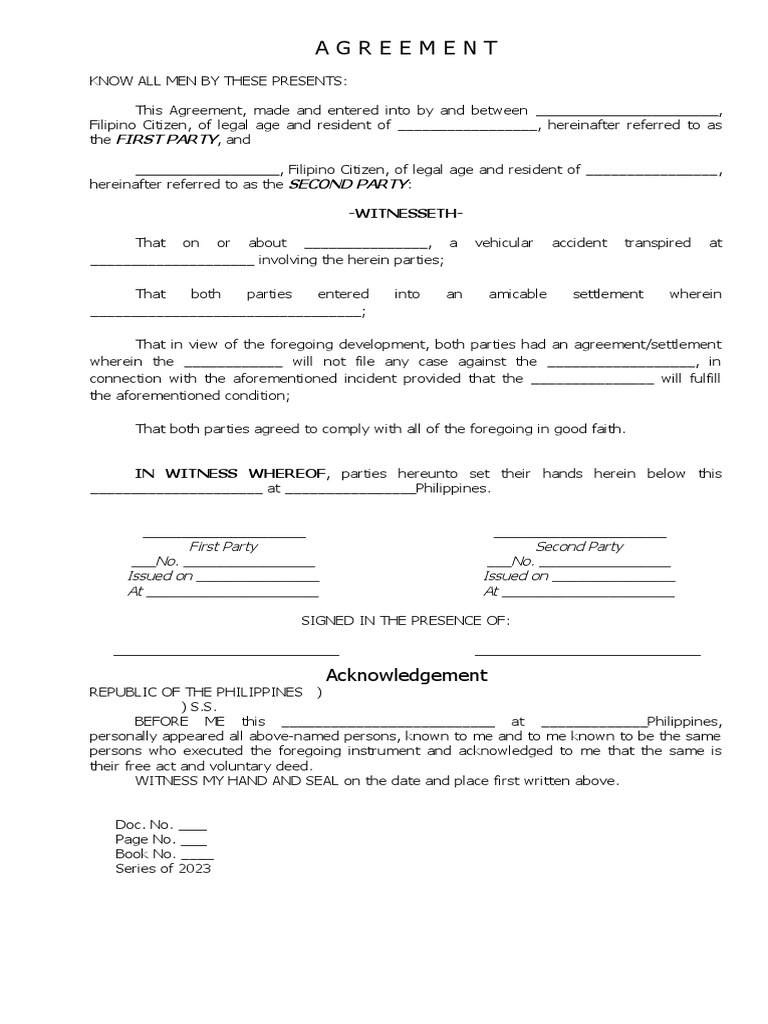
Once you’ve reached mutual decisions on various aspects, it’s time to draft a divorce agreement. This document should outline all key points discussed, including:
- Division of assets: How will property, bank accounts, and debts be divided?
- Custody and support: Arrangements for children’s custody and child support payments.
- Spousal support: Any alimony agreements should also be included.
On the other hand, This agreement is crucial as it will guide both of you through the legal process of your divorce.
Step 6: File for Divorce
Therefore, The next step is to file for divorce with your local court. Most states offer online filing options which can simplify the process. When filing, ensure you include all necessary forms and documentation, such as your drafted divorce agreement. Remember to check local laws for any specific requirements regarding:
- Residency: Most states require you or your spouse to be a resident for a certain period before filing.
- Filing fees: Be prepared for any costs associated with filing.
- Court schedules: Understand the timelines for hearings and finalizations.
Step 7: Finalize Your Divorce
Similarly, The final step in achieving an amicable divorce without a lawyer is finalizing the divorce in court. You may have to attend a hearing where a judge will review your agreement. If everything is in order, the judge will grant your divorce. Here’s what to keep in mind:
- Be prepared: Bring all necessary documents to the hearing.
- Stay respectful: Maintain a respectful demeanor in court; it reflects well on both parties.
- Follow up: After the hearing, ensure that the divorce decree is filed correctly with the court.
Conclusion
Pursuing an amicable divorce without a lawyer might seem daunting at first, but by following these 7 steps, you can navigate the process with ease and confidence. Remember, the key lies in maintaining open communication, being organized, and focusing on cooperation rather than conflict.Naturally, Not only will this help reduce stress, but it can also pave the way for a more positive relationship post-divorce—especially if children are involved.
Your Next Steps
If you’re ready to embark on this journey toward an amicable divorce, take a moment to reflect on your goals and start gathering those important documents today. Remember, it’s not just about ending a marriage—it’s about starting a new chapter in life!
FAQs
What if we can’t agree on certain issues?
If you find it difficult to reach an agreement, consider professional mediation or counseling services to assist in resolving conflicts amicably.
How long does the process take?
The duration varies depending on individual circumstances, but an amicable divorce can often be finalized within a few months if both parties are cooperative.
Is legal advice necessary?
While many couples successfully navigate an amicable divorce without legal assistance, consulting with a lawyer can provide clarity on complex issues or rights under state laws.

